The Weight of Judgment: How Stigma Around Body Size, Eating, and Biases Shapes Health

The conversation about weight and nutrition is often framed as a matter of personal responsibility, but the reality is much more complex. When society reduces bodies and food choices to moral judgments, people are left carrying shame that affects not only their physical health, but also their mental well‑being, relationships, and willingness to seek support. Stigma around obesity and nutrition does not motivate healthier behaviour, instead it isolates, harms, and silences. First let's define obesity.
Obesity is a progressive, relapsing, complex chronic disease that is characterized by abnormal or excessive adipose/fat tissue that negatively impacts health. It is the result of complex interactions between genetic, biological, environmental, behavioural and social factors - not a lack of willpower.
(Definition adopted from Obesity Canada)
The Weight of Assumptions
Obesity is often treated as a visible marker of individual blame, even though weight is shaped by a wide range of factors including genetics, chronic stress, medications, trauma history, sleep, and environment. When people are judged solely by their size, the distinction disappears. This leads to harmful assumptions that have no basis in science but are deeply embedded in social attitudes, such as lack of discipline and laziness.

These assumptions can make everyday experiences—from eating in public to attending medical appointments—feel like opportunities for scrutiny. Over time, this scrutiny becomes internalized, shaping how people see themselves and how safe they feel in their own bodies.
Nutrition Is Not a Moral Test
Food choices are often moralized in ways that create unnecessary shame. Labels like “good” or “bad” food ignore cultural traditions, personal circumstances, and the realities of daily life. For many people, nutrition is influenced by factors far beyond preference or willpower.
Socioeconomic status plays a significant role in shaping what food is accessible and affordable to certain populations. Limited income, lack of transportation, and the increasing cost of groceries can make nutritious options difficult to obtain. Time constraints, shift work, and caregiving responsibilities also affect what ends up on the table. When society judges individuals without acknowledging these barriers, it reinforces stigma rather than addressing the structural issues that shape food environments.
The Overlooked Link to Eating Disorders
Stigma around weight and food does not only affect people in larger bodies. It also contributes to the development and maintenance of eating disorders across the weight spectrum. When people are praised for restriction, shamed for eating certain foods, or encouraged to pursue thinness, disordered eating patterns can emerge.
For individuals already vulnerable due to genetics, trauma, or chronic stress, weight‑based stigma can intensify feelings of inadequacy and loss of control. This can make recovery more difficult and increase the likelihood of secrecy and self‑blame.
Shame, Avoidance, and Social Isolation
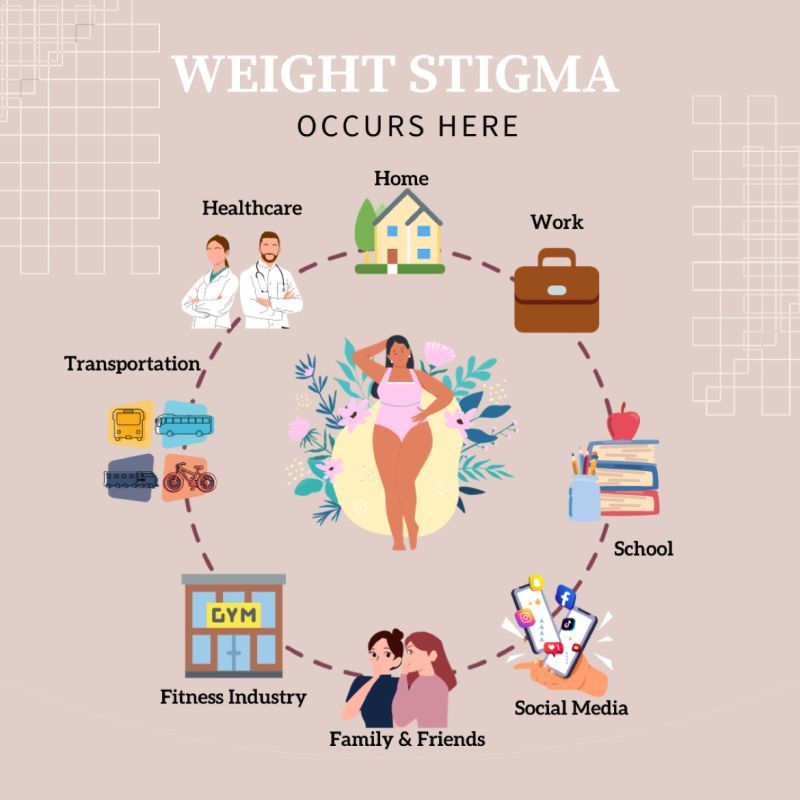
One of the most damaging consequences of obesity and nutrition stigma is the way it pushes people into isolation. Fear of judgment can lead to avoiding restaurants, social gatherings, gyms, and even medical care. Many people report delaying or skipping medical appointments because they anticipate being judged or lectured about their weight—a phenomenon highlighted in recent reviews by Public Health Ontario (2025) and other researchers.
This avoidance has real consequences—delayed diagnoses, untreated conditions, and chronic stress all contributing to poorer health outcomes. Yet the blame is often placed back on the individual, reinforcing the cycle of stigma and silence.
The Role of Education and Compassion
Education is a powerful tool for reducing stigma, but it must be paired with compassion. Understanding the science of weight regulation, the impact of socioeconomic barriers, and the psychological effects of shame can shift the conversation from blame to support. When we move away from moralizing food and bodies, we can create a space for people to make choices that align with their needs, values, and circumstances.
A more compassionate approach recognizes that health is not a single number, a specific diet, or a particular body type. It is a combination of physical, emotional, and social well‑being—none of which can flourish in an environment of judgment.
Moving Toward a More Supportive Culture
Reducing stigma requires a collective effort. It means challenging comments that equate weight with worth, questioning assumptions about food choices, and advocating for environments where nutritious options are accessible to everyone. It also means listening to people’s lived experiences without trying to correct, fix, or shame them.
When we shift from judgment to understanding, we create communities where people feel safe seeking care, sharing meals, and inhabiting their bodies without fear. That safety is not just a kindness—it is a foundation for genuine health.
Sources


Comments